case study: Samsung ai
If you’ve ever wondered what a director actually directs on an AI campaign, here’s a glimpse.
Most of the process will look familiar: world building, previs, storyboards, casting actors and directing their performances.
The difference is that nothing exists until you envision it.
process preview
A quick look at the workflow, from performance capture to final film.
storyBoards
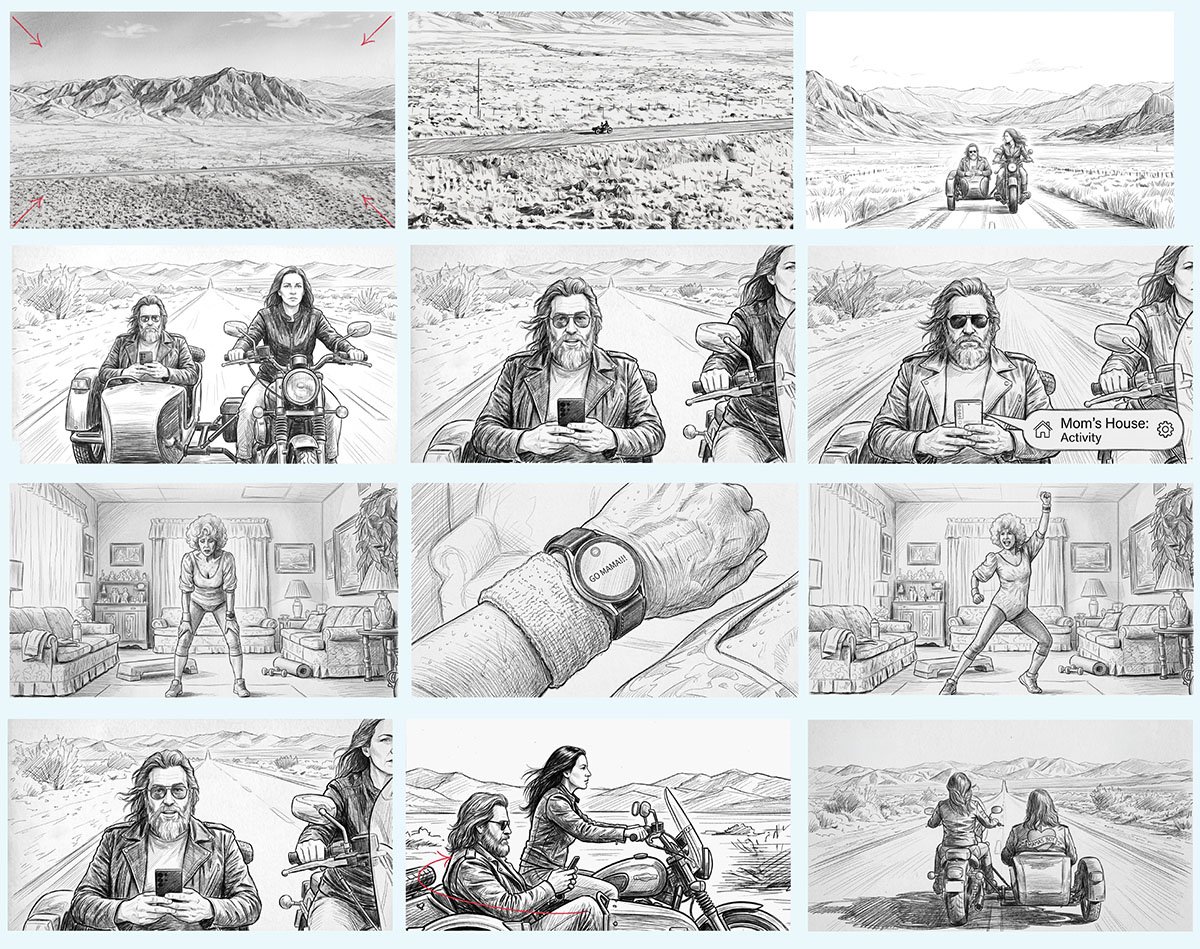
First I mapped out the shots we’d need to bring the script to life in 15 seconds.
worldbuilding
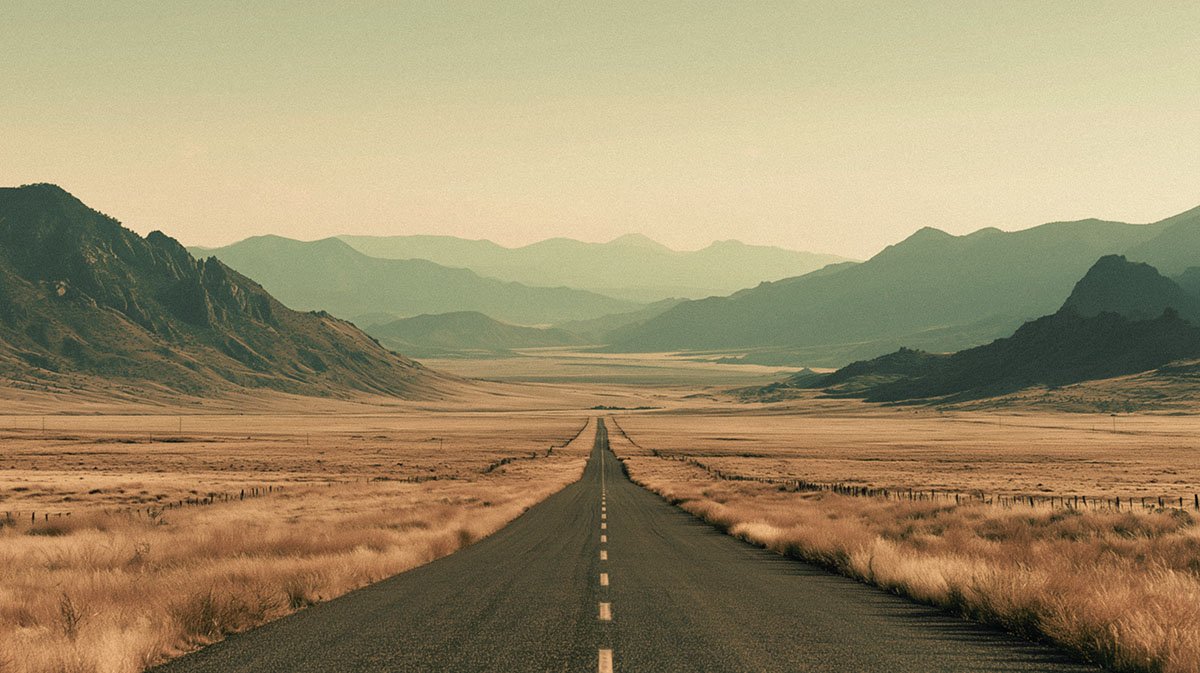
Next came reference building for locations, vehicles, wardrobe, color, lighting and lensing. I used a mix of AI and traditional software tools to develop each world in detail.
This is one example. I was looking for a balance of epic scale and strong graphic leading lines that would pull the eye toward our characters, while placing them in a landscape that felt both beautiful and unforgiving. It helped support the rougher, more weathered character of the motorcycle world.
PRE-VIS
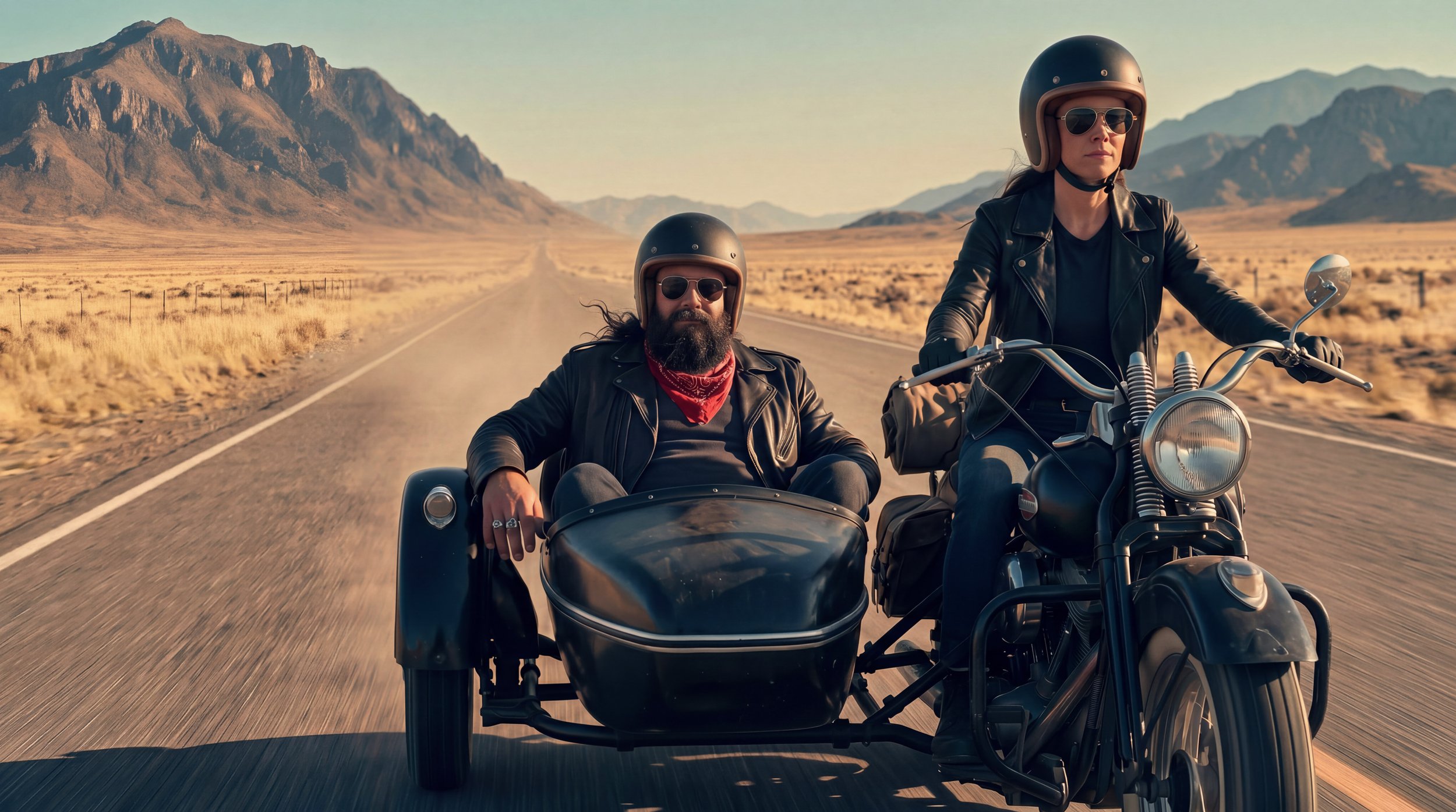
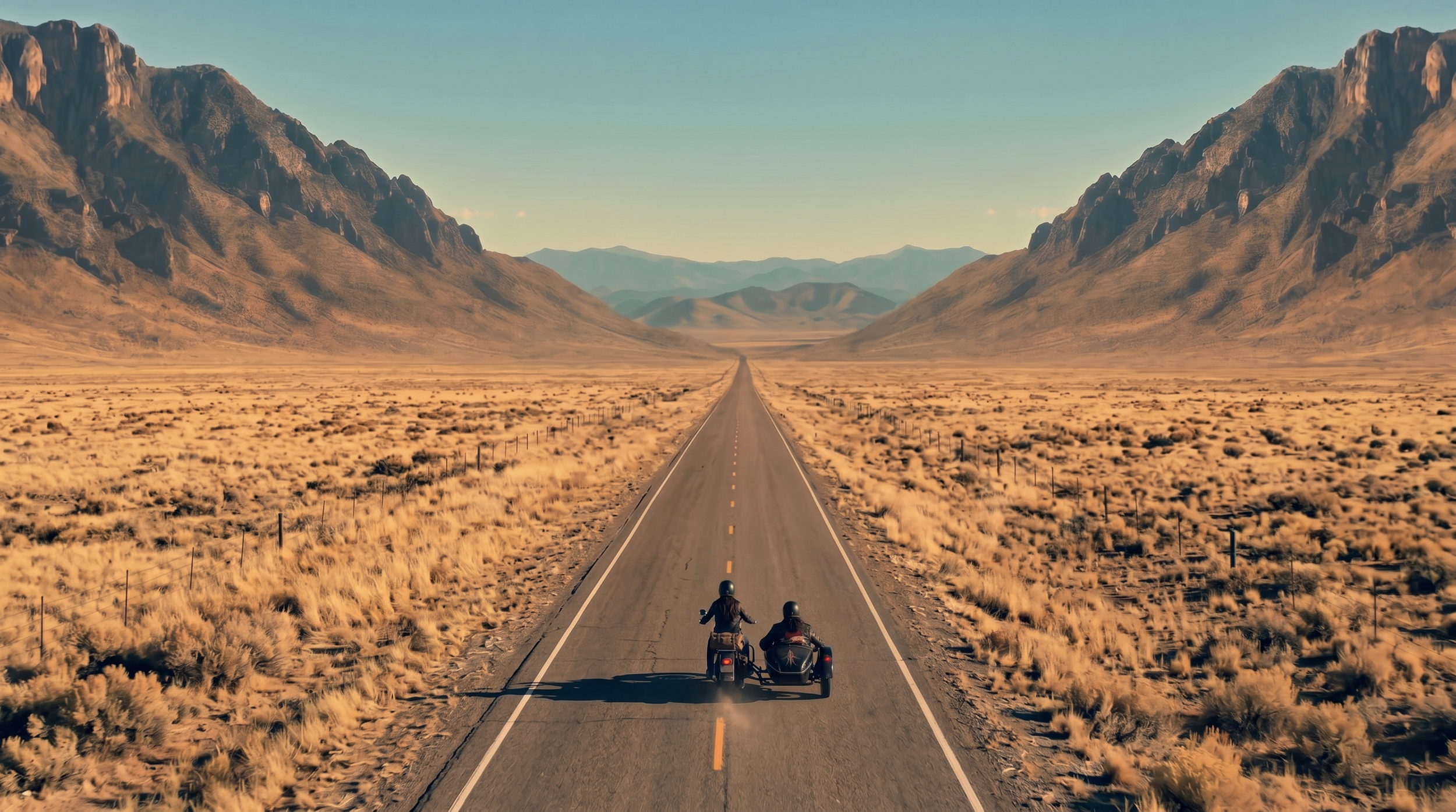
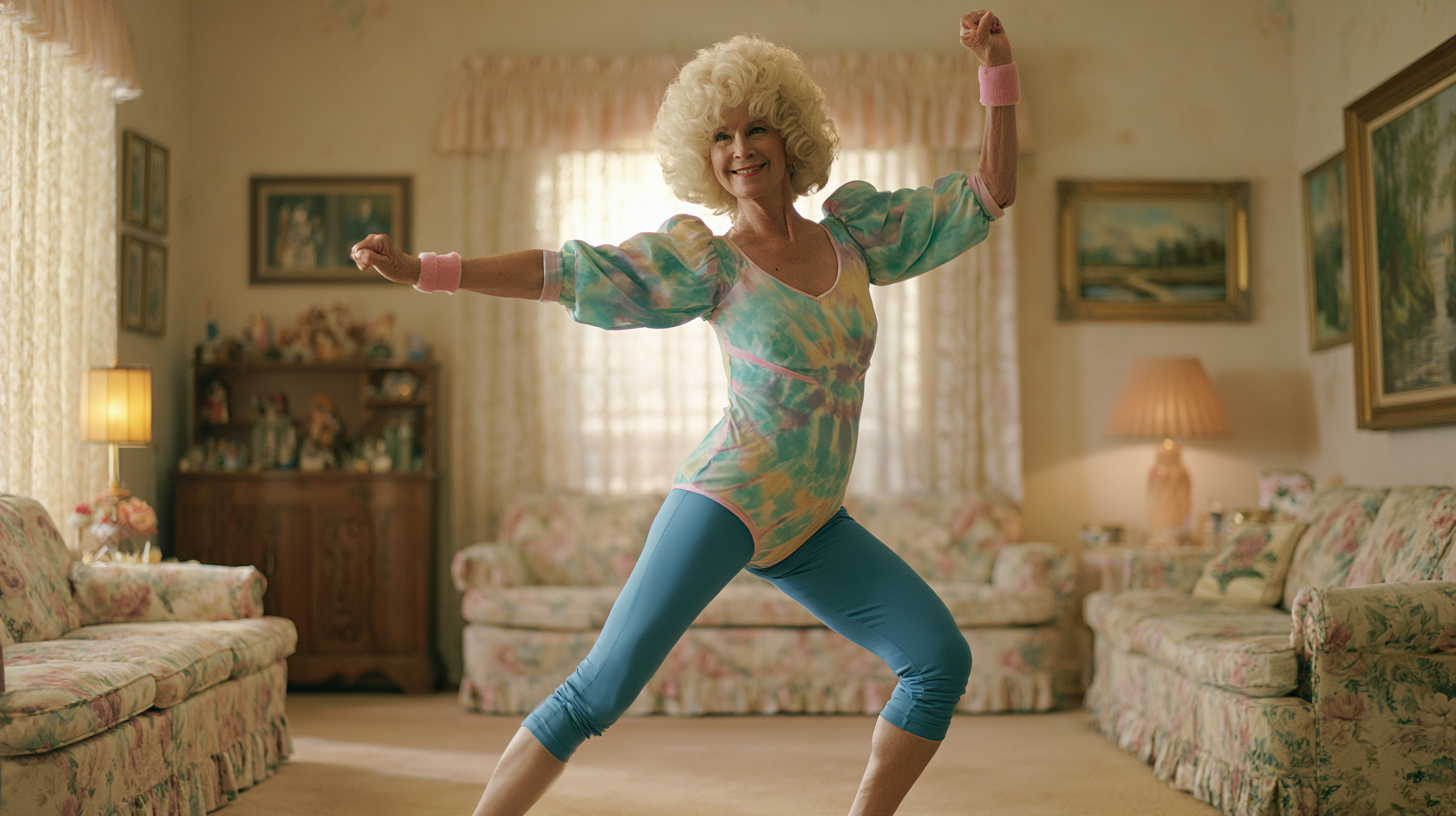
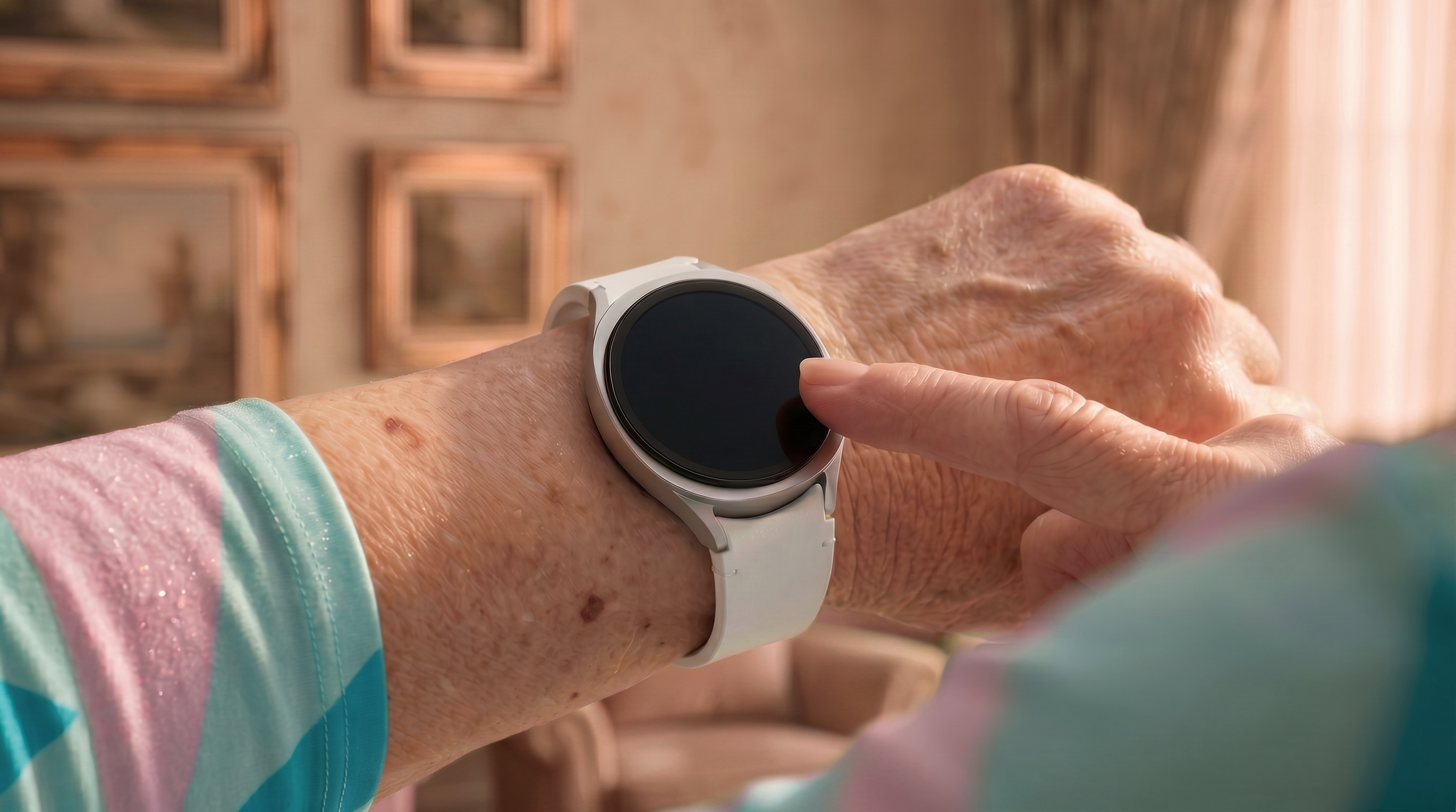
With the visual language established, we pushed further into pre-vis, defining composition, scale, lensing, lighting and how the shots would flow together.
On a live-action job, I’d normally use a location and photo board to lens up real people, explore angles, and see how the coverage plays within the actual environment. Pre-vis became the equivalent here. It let us place the characters into the worlds we’d designed, test camera height, shot size, eyelines and movement, and make sure the sequence worked before moving into final generation.
performance capture
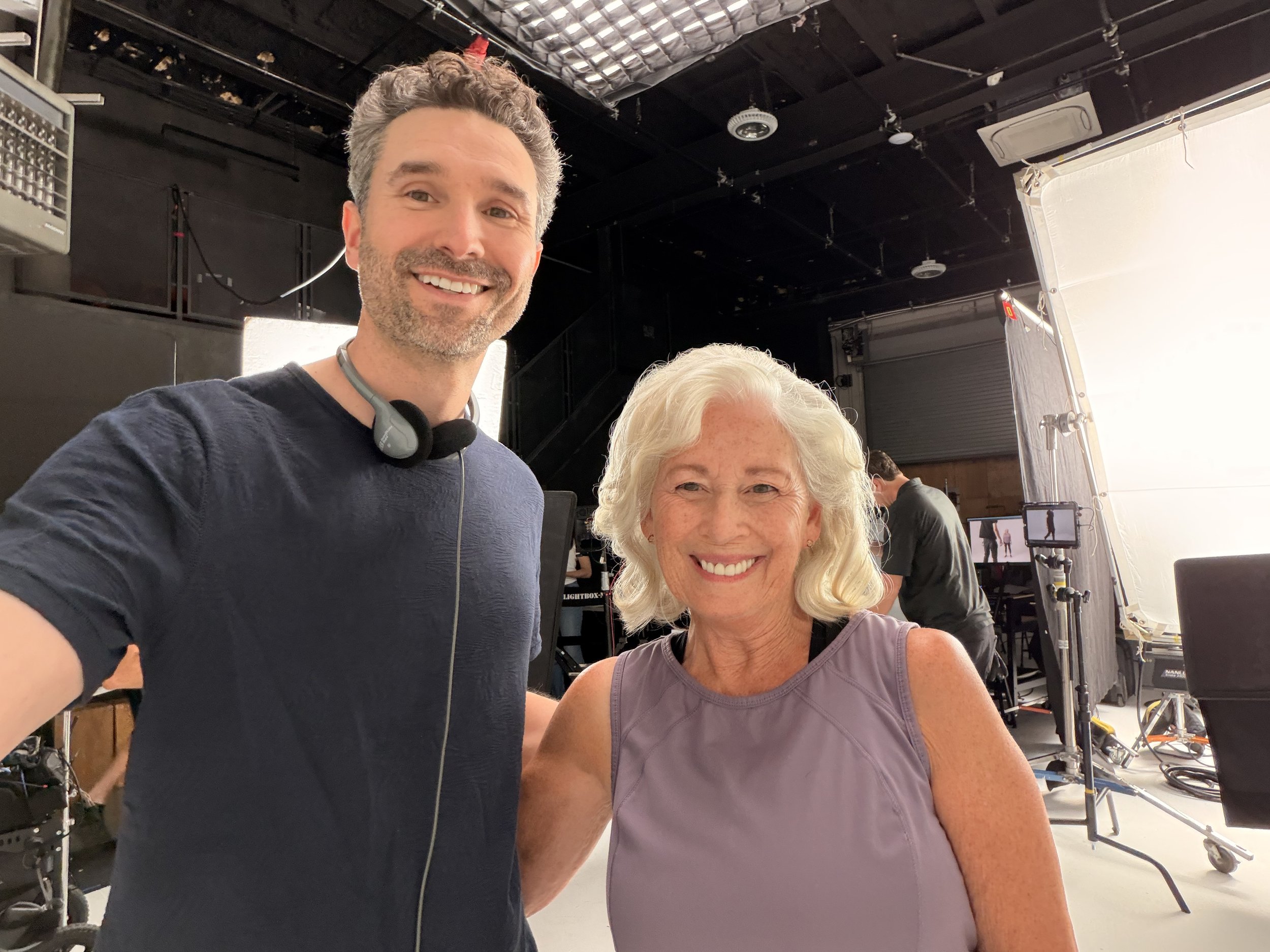
Then we cast real actors and shot their full-body performances on a stage, using just enough props, wardrobe and practical support to keep the performances natural while leaving room to build out additional elements in the AI process.
Alongside the performances, we photographed each actor in detail from every angle, giving the AI models a precise reference for their appearance.
We also wanted to capture as much of the actors as possible without committing too early to details we could develop later. For example, we kept the motorcycle actor out of the helmet and sunglasses so we had his full face to work with, rather than baking those choices into the source footage.
AI GENERATION
As we would on any live-action shoot, we made selects of the performances we liked best. Those became the foundation for the AI generative process.
From there came multiple rounds of iteration. We built out wardrobe and props, refined environments, adjusted details within the frames, and worked to preserve the performances as they moved into the finished worlds. Because so much had already been established through worldbuilding, pre-vis and the live-action shoot, each round had a clear creative target.
The performances carried through remarkably well, and the actors still looked very much like the people we shot.
Color & conform
Once the generated shots were approved, the films moved through color and conform.
A familiar finish to a fairly unfamiliar production.
final thoughts
So, what does a director actually direct on an AI campaign? Quite a lot.
AI gives you an enormous amount of freedom. It also gives you an enormous number of ways to make the wrong thing. The job is making countless specific choices and keeping them all pointed toward the same idea. That took more vision and taste than a typical live-action job.
I see a lot of issues with where this is headed, and a lot of opportunity. I hope live action thrives. Given the choice, I'd rather be on location with a crew. But for some clients and some budgets, these tools make work possible that otherwise wouldn't get made. And I'd rather that work be directed than not.